
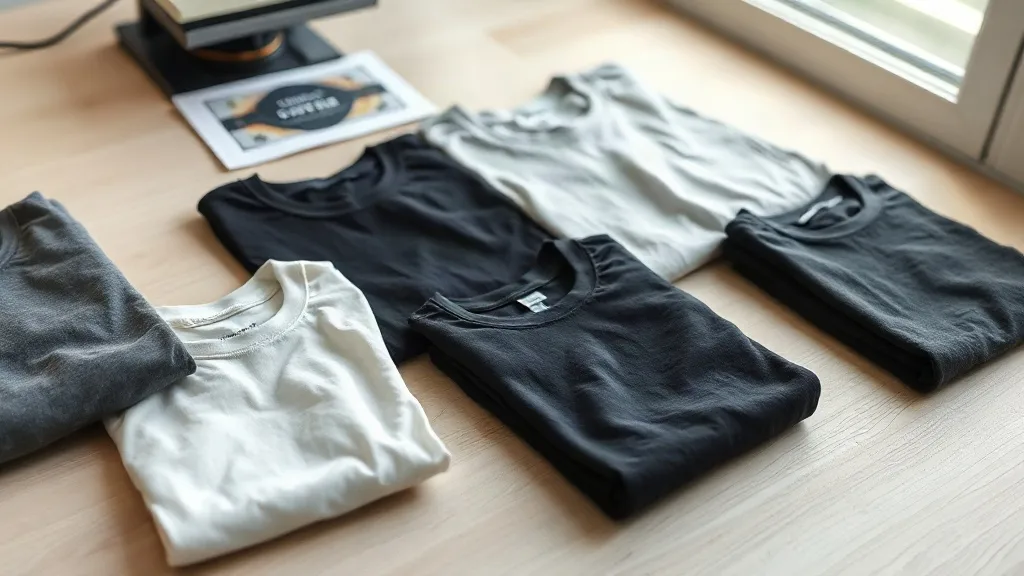
Walk into any print shop and you'll hear the same conversation: the design is ready, the press is hot, but the blank on the table decides whether the finished piece feels like a $15 giveaway or a $45 retail staple. That's where the choice between generic blanks and purpose-built options like shaka wear and smart blanks starts to matter. These aren't just names on a wholesale list; they represent two distinct approaches to fabric, fit, and print performance that can make or break a custom apparel line.
In this guide, we'll look at what sets these blanks apart, how to match them to your printing method, and the practical details that separate a blank that sells from one that sits in inventory. Whether you're a small print shop owner, a brand founder sourcing your first run, or a designer specifying garments for a client, the information here is meant to be used, not just read.
Why the Blank Matters More Than You Think
Ask anyone who has printed hundreds of jobs and they'll tell you: the blank is not a neutral canvas. It has weight, texture, shrinkage, stitch quality, and a personality that either supports your design or fights it. A heavyweight cotton tee with a tight knit can make a DTF transfer look crisp and saturated. A lightweight, loosely knit blank can cause the same transfer to look washed out or feel stiff.
Beyond print quality, the blank influences how the garment wears over time. Customers notice when a shirt twists after the first wash, when the collar loses shape, or when the fabric pills under the arms. Those small failures add up to returns, bad reviews, and a brand that doesn't get a second order. Choosing a blank with consistent manufacturing standards is one of the simplest ways to protect your reputation.
What Are Smart Blanks?
The term smart blanks refers to a category of garments designed with both the printer and the end wearer in mind. These blanks typically feature a balanced cotton-poly blend, a smooth surface for printing, and a fit that works across a range of body types. The idea is to remove the guesswork: you know what you're getting, and it performs the same way every time.
Key Characteristics of Smart Blanks
- Consistent fabric weight: Usually in the 4.5 to 5.5 oz range, which is heavy enough to hold a print but light enough for everyday wear.
- Smooth print surface: The knit is tight enough to prevent ink from sinking, which is especially important for DTF and screen printing.
- Pre-shrunk or low-shrink construction: Reduces the surprise of a garment that fits perfectly before washing and not after.
- Reinforced stitching: Double-needle hems and shoulder-to-shoulder taping are common in this category, adding durability.
- Neutral color palette: Typically offered in a range of solid colors that work well as a base for custom designs.
For a print shop, the appeal of smart blanks is predictability. You can quote a job, order the blanks, and know that the next batch will match the last. For a brand, that consistency translates into a product that customers trust.
Shaka Wear: Streetwear Roots, Print-Ready Performance
Shaka wear has built a following among streetwear brands and print shops for a different reason: it brings a heavier, more substantial feel that aligns with the oversized, boxy silhouettes popular in contemporary fashion. The brand is known for heavyweight tees, hoodies, and crewnecks that hold their shape and provide a premium hand feel.
Why Printers Like Shaka Wear
The fabric in shaka wear garments is typically denser, which means it can handle thicker ink deposits without showing through to the back. That's a real advantage for DTF transfers, where a heavy layer of adhesive powder and ink can otherwise create a stiff, plastic-like patch. On a heavier blank, the transfer adheres more smoothly and the design feels integrated rather than applied.
Another point in favor of shaka wear is the fit. The brand often cuts its garments with a modern, slightly relaxed silhouette that appeals to younger buyers. If you're printing for a streetwear drop or a lifestyle brand, the blank itself becomes part of the aesthetic, not just a substrate.
Considerations When Using Shaka Wear
Because these blanks are heavier, they may require slightly different press settings. DTF transfers, for example, might need a few extra seconds of pressing time to fully bond with the denser fabric. It's worth running a test piece before committing to a full run, especially if you're switching from a lighter blank. Also, the heavier weight can mean a higher per-unit cost, so factor that into your pricing strategy.
Matching Blanks to Printing Methods
Not all blanks behave the same way under different printing techniques. Here's a quick breakdown of how smart blanks and shaka wear perform with common methods.
DTF Transfers
DTF is one of the most forgiving methods for a wide range of fabrics, but it still benefits from a smooth, tight-knit surface. Smart blanks with a cotton-poly blend tend to accept DTF transfers well, with good color vibrancy and minimal hand feel. Shaka wear's heavier cotton provides a stable base that can handle larger, more detailed transfers without the design distorting during pressing.
Screen Printing
For screen printing, the fabric content matters for ink adhesion and cure. 100% cotton blanks like many shaka wear styles are ideal for plastisol inks, which require a higher cure temperature. Smart blanks with poly blends may require low-cure inks or additives to avoid dye migration, but they offer excellent durability when properly handled.
Embroidery
Heavier fabrics like those from shaka wear provide a sturdy foundation for embroidery, reducing puckering and supporting denser stitch counts. Lighter smart blanks may need a stabilizer to achieve similar results, but they can still work well for left-chest logos and simple designs.
How to Evaluate a Blank Before You Buy
Whether you're ordering a sample or assessing a new supplier, here are practical checks that reveal a lot about a blank's quality.
- Check the hand feel: Rub the fabric between your fingers. It should feel smooth and substantial, not thin or scratchy.
- Look at the stitch density: Inspect the hem and side seams. Tight, even stitching indicates better construction.
- Test the stretch and recovery: Gently pull the fabric and release. It should snap back without leaving a distortion.
- Wash a sample: Run a blank through a normal wash and dry cycle to check for shrinkage, twisting, and color fading.
- Print a test: Apply your intended decoration method to see how the blank performs in real conditions.
These steps take a little time upfront but save you from costly surprises on a full production run. Many suppliers, including those offering smart blanks and shaka wear, provide sample packs or single units for this purpose.
Pricing and Value: What to Expect
Blanks exist at every price point, and it's tempting to chase the lowest cost per unit. But the true cost includes waste, returns, and the lifetime value of a customer who trusts your product. Smart blanks typically sit in the mid-tier range, offering a balance of quality and affordability. Shaka wear, with its heavier fabrics and streetwear positioning, often commands a slightly higher price, which can be passed on to customers who value the premium feel.
When budgeting, consider the following:
- Order a few samples to compare against your current blanks.
- Factor in potential waste from misprints or damaged garments.
- Calculate the retail price your market will bear for a premium blank.
- Look for volume discounts or wholesale programs that reward larger orders.
In many cases, a slightly higher upfront cost for a reliable blank pays for itself in fewer complaints and repeat business.
Building a Brand Identity with the Right Blank
The blank you choose sends a message. A lightweight, generic tee says "promotional giveaway." A heavyweight, well-constructed garment says "this brand cares about details." If you're building a label, the tactile experience of the fabric is part of your identity. Smart blanks can help you establish a consistent, approachable quality standard, while shaka wear can position your line in the streetwear or premium casual space.
Consider how the blank aligns with your brand story. If your designs are bold and graphic, a heavier blank can support large prints without losing shape. If your focus is on subtle, everyday wear, a mid-weight smart blank might be the better fit. The goal is to make the garment feel intentional from the first touch.
Common Mistakes to Avoid
Even experienced buyers can slip up when sourcing blanks. Here are a few pitfalls to watch for.
- Assuming all cotton is equal: Cotton quality varies widely; look for combed or ring-spun cotton for a smoother finish.
- Ignoring shrinkage: Always check pre-shrunk claims and test a sample if possible.
- Overlooking color consistency: Dye lots can vary; order enough blanks from the same lot for a cohesive run.
- Not testing with your print method: A blank that works for screen printing may not perform the same with DTF.
- Chasing the lowest price: The cheapest blank often costs more in the long run through returns and reprints.
Avoiding these mistakes starts with a simple habit: test before you commit. A few dollars spent on samples can save hundreds on a botched order.
Frequently Asked Questions
What is the difference between smart blanks and shaka wear?
Smart blanks generally refer to a category of mid-weight, print-friendly garments designed for consistency and ease of decoration. Shaka wear is a specific brand known for heavier, streetwear-inspired blanks with a premium hand feel. The choice depends on your target market and the look you want to achieve.
Can I use smart blanks for DTF printing?
Yes, many smart blanks are well-suited to DTF printing, especially those with a tight knit and a cotton-poly blend. The smooth surface helps the transfer adhere evenly, and the fabric weight is usually sufficient to support the ink layer without stiffness.
Are shaka wear blanks good for screen printing?
Absolutely. Shaka wear blanks, particularly the 100% cotton styles, are excellent for screen printing. The heavier fabric holds ink well and can withstand the curing temperatures required for plastisol inks. Just be sure to test your specific ink and mesh count for optimal results.
How do I choose the right blank weight for my project?
Consider the end use. For promotional tees or warm-weather wear, a 4.5 to 5 oz blank is often sufficient. For retail or streetwear, a 5.5 oz or heavier blank like many shaka wear styles provides a more substantial feel. If you're unsure, order samples in a couple of weights and compare.
Where can I buy smart blanks and shaka wear?
Many wholesale distributors and online suppliers carry both smart blanks and shaka wear. Look for suppliers that offer sample packs, clear pricing, and consistent stock. It's also worth checking reviews and asking other print shops for recommendations.
At the end of the day, the blank you choose is a business decision as much as a creative one. By understanding what smart blanks and shaka wear bring to the table, you can make a choice that supports your printing workflow and delights your customers.