
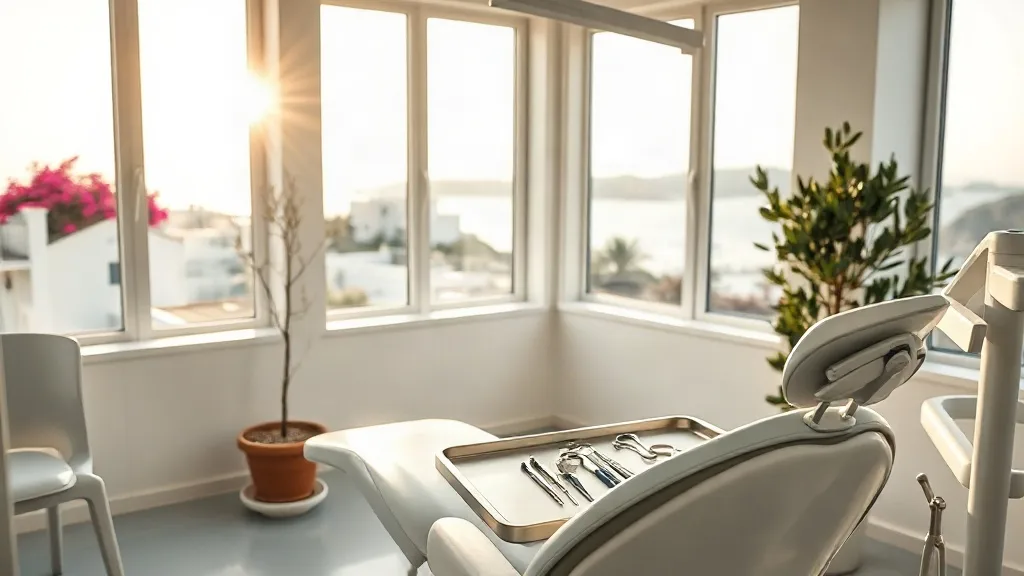
Most people who start searching for a gumbet dentist are not doing it out of idle curiosity. They are usually on holiday in Bodrum, or about to be, and something has gone wrong with a tooth, a crown, or a set of veneers they had planned back home. The search itself tells you something important: you are trying to solve a real problem in a place you may not know well, often with limited time. That changes what good dental care looks like.
This guide is written for that situation. It covers how the dental scene around Gumbet and the wider Bodrum peninsula actually works, what to check before you sit in a chair, how to compare a gumbet dentist with a bitez dentist or a clinic in the city centre, and how to plan treatment so it fits your flight home rather than colliding with it.
Why Gumbet Attracts Dental Travellers
Gumbet sits a short ride from Bodrum centre, which makes it a convenient base for people who want a beach holiday and a bit of dental work in the same trip. The area is dense with hotels, restaurants and tour operators, and the dental clinics that serve it have adapted to a seasonal rhythm. Many of them run longer hours in summer, offer airport transfers, and have staff who speak English, German and Russian alongside Turkish.
That convenience is genuine, but it is not the same thing as quality. A clinic being close to your hotel tells you nothing about its sterilisation protocols or the materials it uses. The useful question is not whether a clinic is near the beach, but whether it can show you, clearly and without pressure, how it handles the specific treatment you need.
What a Typical Gumbet Clinic Offers
Most practices in and around Gumbet cover the standard range: check-ups, fillings, scaling, root canal treatment, crowns, bridges, implants and cosmetic work such as whitening and veneers. The variation shows up in the details. Some clinics are essentially general practices with a strong tourist-facing front desk. Others are built around a specific treatment, usually implants or full smile makeovers, and will be honest with you if your case falls outside their comfort zone.
Ask directly which treatments are done on site and which are referred out. A clinic that sends complex implant cases to a specialist in Bodrum or Izmir is not weaker for it. It is telling you where its limits are, which is a good sign rather than a bad one.
Comparing Gumbet and Bitez for Dental Work
Bitez is the next bay west of Gumbet, quieter, greener, and popular with families and long-stay visitors. Its dental offering is smaller but often more personal, with several practices that have built their reputation on repeat customers rather than seasonal footfall. If you are staying in Bitez and want treatment close to your accommodation, looking for a bitez dentist makes practical sense, especially if you need more than one appointment spread across a week or two.
The two areas are close enough that the choice is rarely about distance. It is about the clinic itself. A useful way to think about it:
- Gumbet suits people who want a wide choice of clinics, easy transport into Bodrum centre, and the option to combine appointments with a busier holiday schedule.
- Bitez suits people staying locally for longer, who value continuity and a calmer setting over the widest possible selection.
- Bodrum centre is worth considering if your treatment is complex, since the larger multi-specialist practices tend to be based there.
Whichever you choose, the standards you should apply are the same. Location is the least important variable in the decision.
How to Vet a Clinic Before You Book
Dental tourism has grown fast along the Aegean coast, and regulation, while real, does not automatically guarantee the experience you are hoping for. A short, structured check will tell you more than any glossy before-and-after gallery.
Ask for the Basics in Writing
Request a written treatment plan with itemised costs, the brand of implant system or crown material being proposed, and the number of appointments required. Clinics that hesitate to put this in writing before you arrive are usually telling you something. A legitimate practice will happily send a plan by email, even if the final details need adjusting after an examination.
Check Who Will Actually Treat You
Ask for the name and registration details of the dentist who will perform the work. In larger clinics, the person who answers your enquiry may not be the person holding the drill. There is nothing wrong with a clinic that employs several dentists, but you should know in advance whether your treatment will be done by a general dentist or a specialist, and whether the same clinician will handle every stage.
Look at Sterilisation, Not Just the Waiting Room
A polished reception area is easy to arrange. Ask to see how instruments are cleaned and sterilised, and whether single-use items are genuinely single-use. Any clinic confident in its processes will show you without awkwardness. If a tour is refused or rushed, treat that as a serious warning rather than a minor inconvenience.
Be Honest About Your Medical History
Bring a list of medications, allergies, and any conditions such as diabetes, heart problems or bleeding disorders. Also mention if you take blood thinners. This is not a formality. It affects anaesthesia choices, bleeding risk and healing, and a good dentist will ask about it before proposing any treatment plan.
Timing Treatment Around Your Holiday
The most common mistake dental travellers make is underestimating how long treatment takes. A single crown can often be completed in a few days with modern scanning and milling equipment, but implants are a different matter. The implant itself needs to integrate with the bone over several months, so a trip that begins with implant placement will usually end with a temporary restoration and a second visit later.
Practical timing rules that hold up in real cases:
- Leave at least two clear days after your final appointment before flying, especially after extractions or surgical work.
- Do not schedule a major procedure for the last day of your trip. Healing takes time and you want a margin if something needs adjusting.
- Book a consultation early in your stay so there is room to revise the plan if the examination reveals something unexpected.
- Keep your return flight details with you. Clinics that see international patients plan around departure dates as a matter of routine.
If your trip is short, be realistic about what can be done well. A cleaning, a filling and a crown are reasonable. A full arch reconstruction is not something to squeeze into five days, and a clinic that promises otherwise deserves scrutiny.
Costs, Expectations and the Honest Trade-Offs
Dental treatment in Turkey is generally less expensive than in the UK or much of Western Europe, and that is a large part of why people travel. But cost comparisons only mean something when they compare like with like. A quote that does not specify the implant brand, the crown material or the laboratory used is not a real quote.
Ask what happens if a restoration fails after you return home. Many clinics offer a warranty period, but the practical question is how a repair would be handled from another country. Some have partner clinics; others will ask you to return. Neither answer is unreasonable, but you should know which applies to you before you commit.
Also budget for the possibility of a second trip. If your treatment plan includes implants, factor in a return visit and the cost of getting there. A treatment that looks cheap on the first invoice can become less so once travel is counted twice.
Making the Most of a Dental Trip to Bodrum
There is no reason a dental appointment should dominate a holiday. Most people find that a morning in the chair leaves the rest of the day free, and the peninsula rewards that free time generously. Gumbet's bay is lively and walkable, Bitez's waterfront is calmer and better suited to a long lunch, and Bodrum centre has the castle, the marina and the market for a slower afternoon.
A few habits make the recovery side easier. Avoid swimming in the sea or a pool for the first day or two after an extraction. Keep to soft, lukewarm food for the first evening. Skip alcohol while you are taking painkillers or antibiotics. And if you have had sedation, arrange for someone else to drive or accompany you back to your hotel, even if the clinic is only ten minutes away.
Finally, treat the consultation as a two-way conversation. A good dentist will explain what they see, why they recommend a particular option, and what the alternatives are, including doing nothing. If you feel rushed towards the most expensive treatment on the list, it is entirely reasonable to walk away and book elsewhere. There are enough practices in Gumbet and Bitez that you do not need to accept the first opinion you are given.
Frequently Asked Questions
Is it safe to see a gumbet dentist while on holiday?
It can be, provided you check the clinic's sterilisation practices, confirm who will perform the treatment, and get a written plan before committing. The standard of care varies between practices, so the vetting steps matter more than the location itself.
How many days do I need in Bodrum for a crown or implant?
A single crown can often be completed in three to five days with modern digital workflows. Implants are different: placement usually requires a follow-up visit months later for the final restoration, so plan for two trips rather than one.
Can I fly home straight after dental treatment?
For simple fillings or a cleaning, flying the next day is normally fine. After an extraction or surgical procedure, leaving at least two days before your flight is the safer approach, and your dentist should confirm what is appropriate for your case.
Should I choose a bitez dentist or travel into Bodrum centre?
If you are staying in Bitez and need several appointments, a local bitez dentist is convenient and often offers more continuity. For complex or multi-specialist treatment, the larger practices in Bodrum centre may be the better fit.
What should I do if a crown or filling fails after I get home?
Contact the clinic first and send photographs along with a description of the problem. Ask specifically how they handle repairs from abroad, whether they have a partner clinic near you, and what the warranty covers. Clarifying this before treatment is far easier than resolving it afterwards.